
An animal health insurance is a precautionary contract that reimburses all or part of the veterinary expenses incurred for a dog or cat. The principle is simple: you pay a monthly premium, and the insurer covers a percentage of the costs related to accidents, illnesses, and sometimes preventive care. The difficulty lies not in the concept, but in the gap between what a contract promises and what it actually covers.
Risk bearer and white label: what the name on the contract doesn’t reveal
When you take out pet insurance online, the interface you use is not always that of the insurer who bears the risk. In recent years, players like Wakam, regulated by the ACPR (Prudential Control and Resolution Authority), have positioned themselves as risk bearers behind many digital white-label offers.
In practice, the neo-insurance or platform to which you pay your premiums may just be a distributor. In the event of a dispute or liquidation of the distributor, it is the risk bearer who guarantees your rights. Verifying this information before signing protects against unpleasant surprises in case of a disputed claim.
To delve deeper into coverage mechanisms and compare available offers, the insurance on Syntonie Animale details the guarantees by type of animal and by plan.
Annual reimbursement limit: the true indicator of an animal insurance contract
Most contracts display an attractive reimbursement rate. Some plans announce coverage at 100%. This figure, taken in isolation, doesn’t mean much.
Reimbursement always applies within the limit of an annual cap. A contract that reimburses 100% of expenses but caps at a modest amount will leave a high out-of-pocket cost from the very first serious hospitalization. Conversely, an 80% plan with a generous cap may cover more over the year.
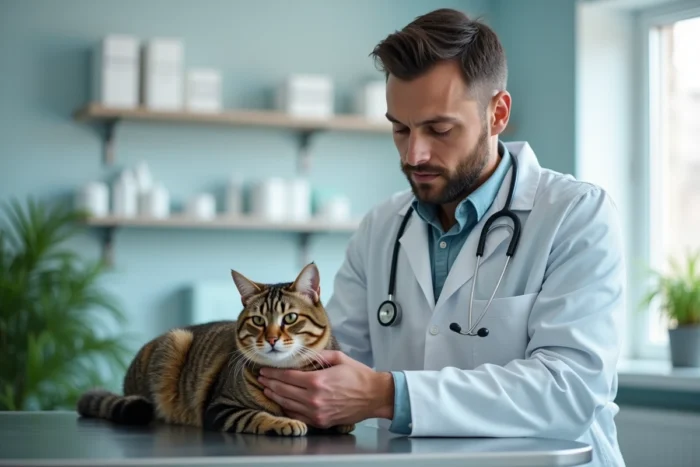
Veterinary clinics recommend a simple method: ask the advisor a quantified question about specific scenarios. Inquire what the contract would reimburse on a typical bill including consultation, imaging, and several days of hospitalization. The answer immediately reveals the gap between the commercial promise and the reality of reimbursement.
The cap-guarantees couple, not the rate alone
The annual cap and scope of guarantees constitute the true heart of protection. A broad scope (accident, illness, surgery, tests) combined with a sufficient cap offers better protection than a high rate on a narrow scope.
Before comparing quotes, list the most likely expense items for your pet based on its breed and age. A French bulldog, predisposed to respiratory problems, does not generate the same risks as a European apartment cat.
Deductible, waiting period, and exclusions: three clauses to read before signing
Three mechanisms silently reduce the actual coverage of a dog or cat insurance contract.
- The deductible is the amount that remains your responsibility for each claim. It can be fixed (a set amount in euros) or proportional (a percentage of the bill). A contract without a deductible costs more in premiums but simplifies the calculation of out-of-pocket expenses.
- The waiting period is the period after subscription during which the guarantees do not apply. It varies by insurer and by type of claim (often shorter for accidents than for illnesses). Subscribing after the appearance of symptoms makes this waiting period even more penalizing.
- Exclusions of coverage list the situations not covered: hereditary or congenital diseases, pre-existing conditions, certain preventive actions. Each insurer drafts its own list, and this is where contracts differ the most for equivalent plans.
Reading the general conditions remains the only reliable way to know these three parameters. Online comparison tables summarize the plans but often omit the details of exclusions.
Animal age and contract renewal: anticipating premium increases
The age of the animal at the time of subscription determines both the initial rate and the acceptance of the application. Most insurers set an age limit for membership, beyond which subscription is refused or subject to significant surcharges.
Premiums generally increase with each annual renewal, following the aging of the animal. This mechanism, comparable to that of human health mutuals, is not always highlighted during subscription. Check if the contract provides for a capped rate revision mechanism or if the insurer reserves complete freedom for reassessment.

Some contracts guarantee the absence of cancellation related to age: the animal remains covered at the same level throughout its life. This type of clause, rare, should be identified from the initial comparison, as changing insurers with an older animal becomes very difficult.
Subscribing early reduces overall cost
A young and healthy animal receives a low premium and an accepted application without pre-existing exclusions. Delaying subscription until the first health problems appear exposes you to refusal or targeted exclusions on already declared pathologies.
The last often overlooked parameter concerns the portability of guarantees. If you change insurers, conditions declared with the first insurer become pre-existing with the next, and thus potentially excluded. This lock-in makes the first choice of contract all the more structuring for your pet’s long-term health coverage.