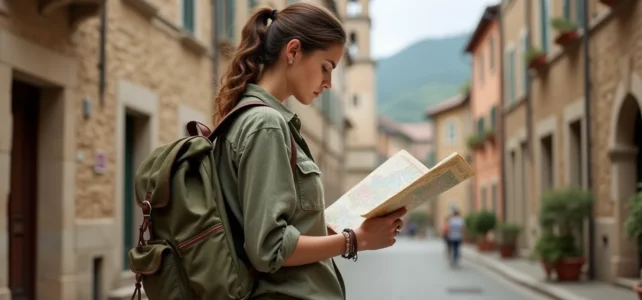
Solo travel is not just a matter of courage or personal development. It is primarily a logistical discipline where every decision, from health insurance to time zone selection, rests on a single person. Traveling alone requires methodical preparation that inspirational guides often overlook.
Administrative formalities for solo travelers: blind spots
A solo trip abroad begins with a personal document audit. We regularly observe travelers stuck at boarding due to not checking the residual validity of their passport, which often must exceed six months after the planned return date.
For minors residing in France, the requirement is even stricter. Since the reintroduction of the exit authorization from the territory (AST), any minor traveling alone abroad must present an identity document, the Cerfa form 15646*01 signed by a parent, as well as a copy of the identity document of the signing parent. This point is often absent from most solo travel content, even though it conditions the very feasibility of the project for a teenager.
On the insurance side, a solo traveler has no safety net. No companion to manage hospitalization or repatriation. Repatriation coverage and civil liability abroad are not optional when traveling alone: they structure the budget as much as the plane ticket.
The resources compiled by 1 Voyageur help calibrate this preparation according to the profile and destination, with field feedback that usefully complements consular sheets.
Solo destinations: selection criteria beyond rankings
Lists of “best destinations for solo travel” all look alike. We recommend reasoning instead with a grid of operational criteria tailored for solo travelers.
- Density of accommodations with single rooms: some destinations (Southeast Asia, Portugal, Japan) offer an abundant supply of hostels with common areas and private rooms, which reduces the extra cost of the single supplement
- Reliability of local public transport: without a travel companion to share a taxi or car rental, the quality of the public transport network directly determines freedom of movement
- Real language barrier: the ability to be understood in English or French in emergency situations (pharmacy, police, hospital) weighs more heavily when alone than in a group
- Documented nighttime safety: travel advisories published by the Ministry of Foreign Affairs remain the most reliable source for assessing this parameter, country by country
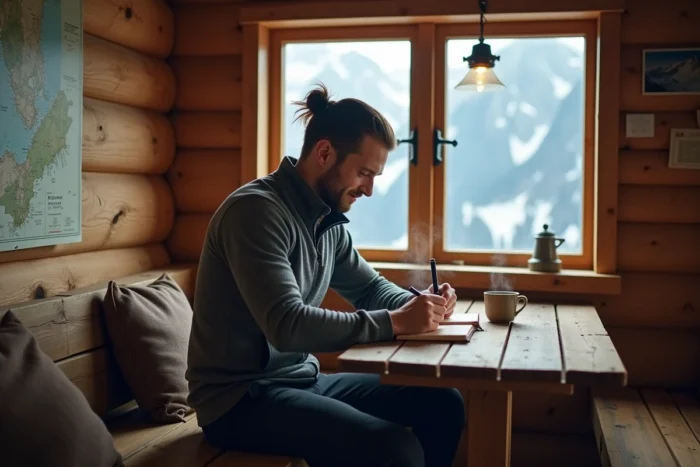
A solo hiking trip in the mountains is not prepared like an urban cultural exploration. The choice of destination should stem from the type of activities aimed for, not from a generic ranking.
Solo travel for women: beyond generic precautions
Content on female solo travel often boils down to common-sense recommendations. The reality on the ground is more granular.
The choice of accommodation deserves special attention. Mixed hostels with shared dorms are not suitable for all female travelers, and booking platforms do not always indicate the availability of non-mixed dorms. Checking this point directly with the establishment before booking avoids unpleasant surprises upon arrival.
Clothing choices go beyond mere respect for local cultural codes. In some regions, wearing clothes that signal a tourist status attracts unwanted attention. We observe that experienced female travelers prefer functional outfits purchased locally, which also facilitates interactions with locals.
Groups of women traveling solo, active on social media, are a valuable resource for obtaining recent and geolocated feedback on the safety of a neighborhood or itinerary.
Seniors traveling solo: a rapidly growing segment
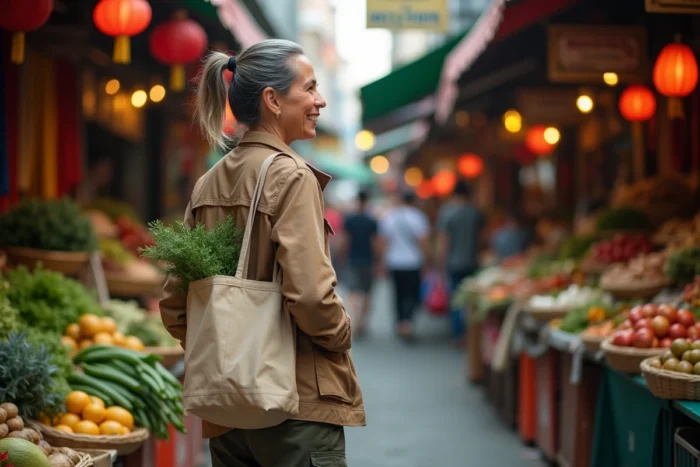
More and more widowed or separated seniors choose to travel alone, and this trend has pushed tourism professionals to develop specific offers: tailored tours, travel clubs, personalized support.
This audience has its own constraints. The accessibility of accommodations and transport, proximity to medical facilities, and the duration of journeys between two stages become top criteria. An itinerary designed for a thirty-year-old backpacker does not suit a seventy-year-old traveler, even in excellent shape.
Solo travel after retirement offers a calendar flexibility that working individuals do not have. Traveling off-season reduces costs, decreases tourist crowds, and allows for more authentic cultural experiences. This is a strategic advantage that this traveler profile still exploits too little.
Risk management in solo travel: concrete protocol
Traveling alone involves formalizing a personal safety protocol. This is not paranoia; it is method.
- Send your detailed itinerary to a trusted contact and agree on a communication rhythm (a daily message, for example)
- Keep digital and paper copies of all identity documents, tickets, and reservation confirmations in separate locations
- Register your trip on the Ariane portal of the Ministry of Foreign Affairs to receive real-time security alerts
- Identify in advance the consular structures and local emergency numbers for each stage of the trip
This protocol takes about twenty minutes to set up. It transforms a solo trip into a controlled adventure rather than a blind risk-taking.
Solo travel, whether it is a three-day hike or a world tour over several months, relies on preparation that each traveler must calibrate to their own profile. Destinations, formalities, and security constraints evolve rapidly: consulting official sources and recent field feedback remains the most useful reflex before each departure.