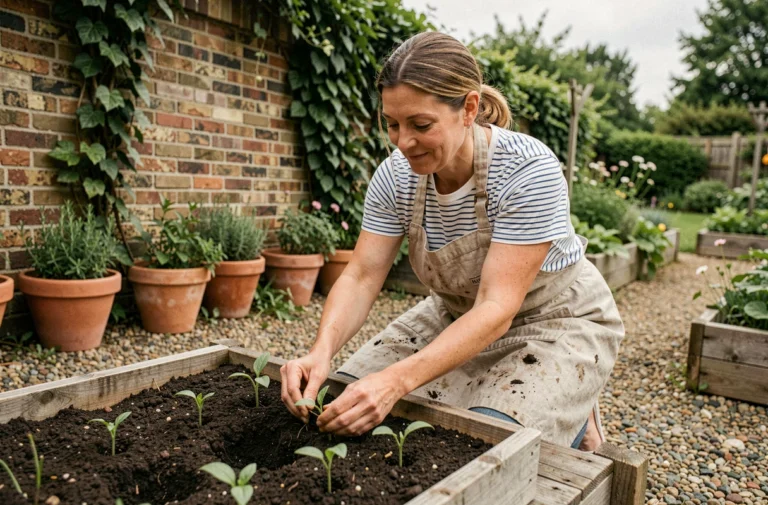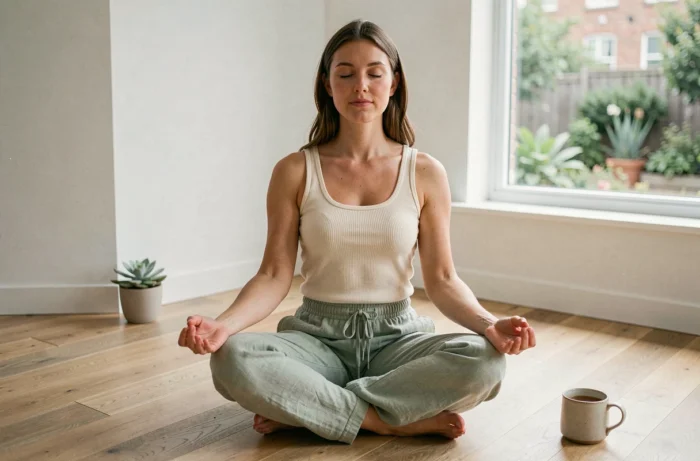
Taking care of oneself on a daily basis is not just about a list of good resolutions made at the beginning of the year. The recent trend, documented by the media The Brief in August 2026, shows a shift: we are no longer looking to optimize our day, but to regulate it. Adapting our wellness practices to the real rhythm of our days changes the game compared to the generic advice found everywhere.
Regulating your day rather than optimizing your wellness routine
Most self-care guides offer lists of habits to stack: drink more water, meditate, do yoga, take care of your skin. The problem is that this advice ignores a simple fact: the body’s needs vary throughout the day.
In the morning, cortisol is naturally high. Adding an intense workout at this time may suit some people, but exhaust others before noon. In the afternoon, the drop in energy calls for a micro-break of a few minutes, a short walk, or a breathing exercise. In the evening, the priority shifts to relaxation and preparing for sleep.
This regulatory approach, rather than an accumulative one, allows for the construction of a realistic self-care routine. When looking to take care of oneself on Super Mamans, you can find this logic of adapting to the real constraints of daily life, far from rigid programs.
| Time of Day | Main Need | Adapted Action |
|---|---|---|
| Morning (waking up) | Gentle activation | Stretching, hydration, natural light |
| Mid-morning | Concentration | Moderate physical activity, balanced snack |
| Afternoon (2 PM – 4 PM) | Energy recovery | Micro-break, walk, deep breathing |
| End of the day | Transition to rest | Body or face care, reading |
| Evening | Relaxation and sleep | Reducing screen time, herbal tea, gentle yoga |
This table is not prescriptive. It illustrates a principle: each time slot calls for a different type of care. Applying the same routine throughout the day ignores the body’s signals.
Personal health tracking: a habit that has become commonplace
According to a survey reported by The Pharmaceutical Journal in August 2026, a large majority of respondents claim to monitor at least one aspect of their health on a daily basis. It is no longer a practice reserved for athletes or people suffering from chronic conditions.
Specifically, this ranges from simply tracking sleep via an app to regularly checking one’s perceived stress level. Self-observation has become a common reflex, not a medical approach.
What tracking changes in self-care practice
Observing one’s own data, even in a rudimentary way, produces a documented effect: we adjust our habits more quickly. A person who notices degraded sleep for three consecutive nights spontaneously modifies their evening routine.
However, tracking can also generate anxiety when it becomes obsessive. The trap would be to turn every parameter into a quantified goal. Monitoring health to better understand oneself works; monitoring health to achieve a perfect score has the opposite effect.
- Track your sleep over a full week before drawing conclusions, rather than night by night
- Note your energy level at three times of the day (morning, afternoon, evening) for ten days to spot trends
- Limit the number of parameters tracked simultaneously to two or three, no more
Micro-practices and stress: what works according to recent data
Recent recommendations on stress management converge on one point: short and regular interventions outperform long and spaced-out sessions.
Controlled breathing, mindful walking, or micro-practices of full attention require no equipment, no dedicated space, and no blocked time slot. Their effectiveness relies on repetition, not duration.
Why regularity matters more than intensity
Doing an hour of yoga on Sunday and nothing else for the rest of the week does not have the same effect as five to ten minutes of daily stretching or breathing. The body and mind respond better to frequent and moderate stimuli than to isolated peaks of physical activity or relaxation.
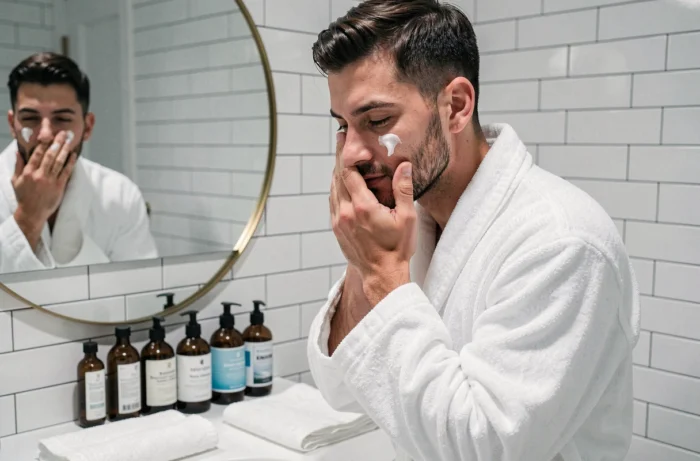
This logic also applies to body care. A simple gesture repeated every day protects the skin better than an intensive monthly treatment. Cleansing and hydrating your face morning and night, for example, yields better results than a weekly mask applied to neglected skin the rest of the time.

Nutrition and hydration: two underestimated levers in care routines
There is a lot of talk about yoga, meditation, and cosmetic care. However, nutrition and water remain the two pillars most directly linked to skin condition, energy levels, and sleep quality.
Mild dehydration affects concentration and mood long before it causes thirst. Waiting until you are thirsty to drink means you are already in deficit. Keeping a water bottle accessible throughout the day remains the simplest and most effective gesture to maintain stable energy levels.
On the nutrition side, the question is not about following a specific diet. Eating a varied diet, with a sufficient portion of vegetables, proteins, and healthy fats, covers most needs. Deficiencies in micronutrients often manifest as persistent fatigue, dull skin, or increased stress.
- Drink regularly throughout the day, without waiting for the sensation of thirst
- Incorporate fruits and vegetables into every meal, not just at dinner
- Reduce quick sugars in the evening to promote better sleep
- Avoid drastic dietary restrictions that disrupt nutrient intake
Learning to take care of oneself daily does not require a complete overhaul of habits. Adjusting one or two gestures per week, considering the real rhythm of your day, produces more lasting results than any intensive program abandoned after two weeks. The body sends signals continuously: listening to them remains the first skill to develop.