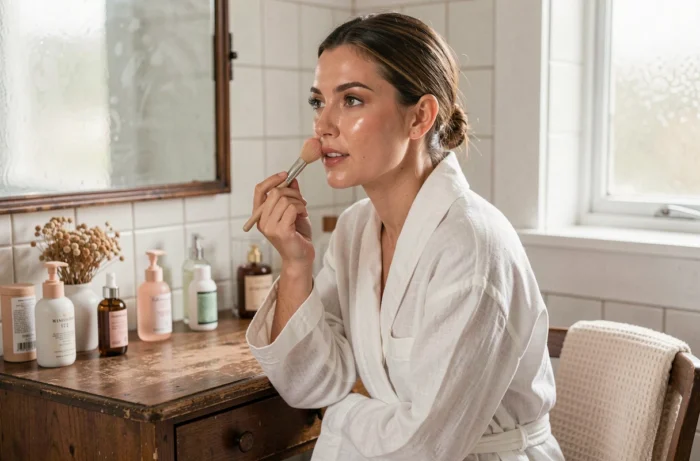
The European regulation on cosmetic claims is tightening, artificial intelligence is intruding into the shopping journey, and dosage forms are being reinvented. These three axes are reshaping beauty trends far beyond simple choices of colors or textures.
Anti-greenwashing regulation and beauty claims: what’s changing on packaging
Regulation (EU) 2023/1545 imposes a tight schedule. Cosmetic products placed on the market must comply with the new labeling requirements by January 1, 2027, at the latest. Non-compliant products already in circulation have until July 31, 2028, to disappear from the shelves.
The most visible impact concerns self-proclaimed logos. Brands that created their own “natural” or “clean” visuals without a third-party certification system will no longer be able to display them. Only recognized certifications (COSMOS, Ecocert, Natrue) will remain authorized on packaging.
We are already observing a repositioning of brands regarding their claims. Some are reformulating their product descriptions, while others are investing in third-party certifications that they previously deemed unnecessary. To follow beauty inspirations on Pop Your Beauty, this regulatory evolution is profoundly changing how brands communicate their commitments.
This tightening will affect the beauty editorial content itself. Mentions like “paraben-free,” “clean beauty,” or “natural formula” without proof of certification will lose their marketing value. Content creators on social media will need to adapt their vocabulary to avoid sharing claims that are now non-compliant.
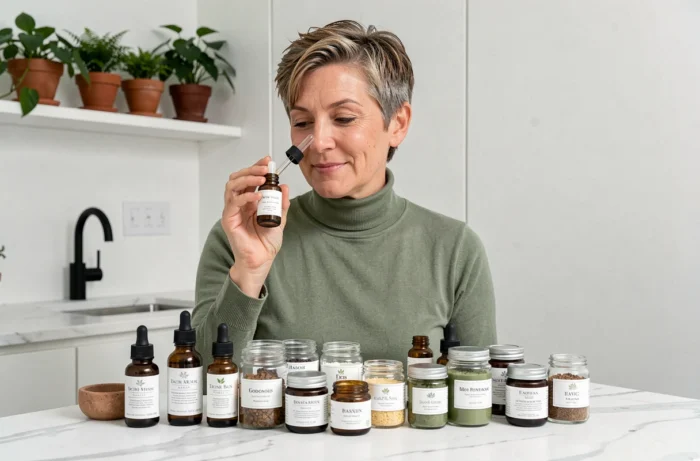
AI and beauty purchases: how algorithmic recommendations are redefining product discovery
More than a third of French people already use an AI assistant for at least part of their beauty and personal care purchases. This figure far exceeds the perception held by industry professionals.
More than half of these users report that algorithmic recommendations significantly influence their purchasing decisions. The discovery journey no longer relies solely on Pinterest, social media, or magazines. AI aggregates reviews, cross-references skin types, texture preferences, and budget to offer a personalized selection.
Consequences for beauty prescription
The role of the human prescriber (in-store advisor, influencer, beauty journalist) is shifting. AI does not replace sensory expertise, but it captures the pre-selection phase. A consumer now arrives in-store with a shortlist generated by an algorithm.
For brands, the direct consequence affects product launches. A poorly indexed product in the databases feeding these assistants risks never appearing in suggestions, regardless of its advertising budget. We recommend that brands check their presence in the cosmetic data aggregators used by major AI assistants.
Dosage forms and new textures: serums, solid sticks, and concentrated formulas
Formulation trends in 2026 favor concentration and portability. The rising formats include:
- Multi-functional solid sticks: blush, sun protection, lip balm. One single gesture, no leakage in bags, precise dosage. This format also reduces the need for water-soluble preservatives.
- Ultra-concentrated oil-phase serums: less volume per bottle, but superior effectiveness per drop compared to classic creams. Brands are reducing their packaging while increasing perceived value.
- Korean-inspired essence lotions: aqueous textures that prepare the skin before serum. This simplified two-step layering replaces five-product routines.
These formats meet a dual expectation. Practicality first: consumers want short routines. Sustainability next: less packaging per unit of active care delivered.

Brows and eyes: the makeup trend that structures the face
The work on eyebrows remains the makeup gesture that transforms a face the most with the least amount of products. The current trend moves away from heavily drawn brows towards a more natural texture, brushed upwards, with a clear fixer.
Double-ended products (tinted gel on one side, precision pencil on the other) dominate the new collections. This format reduces the number of references needed in the makeup bag.
Colors and eyes: beyond nude
Eye makeup palettes now incorporate terracotta, burgundy, and olive green colors that work across a wide range of skin tones. Color is worn as a subtle wash rather than a heavily worked smoky, simplifying application.
On social media, the most shared videos showcase results achieved in under three minutes. The performance of the gesture is as important as the final result. Brands are adapting their formulas so that a single brush stroke is enough to deliver the right pigment intensity.
Cosmetic allergens: the regulatory countdown
The allergen section of the European regulation imposes expanded labeling of sensitizing substances. The list of allergens to declare is growing, and the declaration thresholds are lowering. For formulators, this means revising the fragrance compositions of many references.
Cosmed supports manufacturers in this transition. Complex fragrances with high concentrations of linalool or limonene will need to be reformulated or, at a minimum, clearly display their composition. Self-proclaimed “hypoallergenic” products will be the first targeted by compliance checks.
The timeline is the same as for claims: mandatory compliance by early 2027, withdrawal of non-compliant products by mid-2028. Brands that anticipate this deadline are turning the constraint into a selling point, communicating on the transparency of their formulas rather than vague promises.